
Professional Advice for Painting Success: Painting Quality Tips for Lasting Results

Painting a home or business space is more than just applying colour to walls. It’s about creating an environment that feels fresh, welcoming, and well cared for. For those in Cape Town looking to enhance their properties, following professional painting quality tips can make all the difference. This guide offers practical, easy-to-follow advice to ensure every painting project is a success, delivering results that last and impress.
Essential Painting Quality Tips for a Flawless Finish
Achieving a flawless paint job starts with preparation and attention to detail. Here are some key painting quality tips to keep in mind:
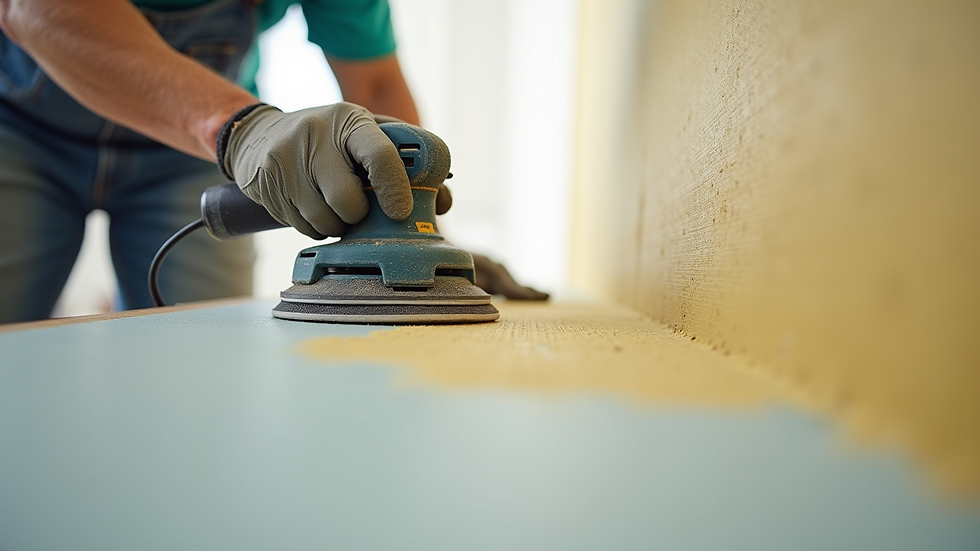
Surface Preparation: Clean walls thoroughly to remove dust, grease, and old peeling paint. Sand rough patches and fill holes or cracks with appropriate filler. A smooth surface ensures paint adheres well and looks even.
Choose the Right Paint: Select paint suited for the surface and environment. For example, use weather-resistant paint for exterior walls in Cape Town’s coastal climate. Opt for eco-friendly options to reduce environmental impact.
Use Quality Tools: Invest in good brushes, rollers, and painter’s tape. Cheap tools can leave streaks or uneven coverage, while quality tools help achieve a professional finish.
Apply Primer: Priming is crucial, especially on new or repaired surfaces. It seals the wall and improves paint adhesion, resulting in a more durable finish.
Multiple Thin Coats: Apply two or more thin coats rather than one thick coat. This prevents drips and ensures even colour saturation.
Mind the Weather: Avoid painting on very hot, cold, or humid days. Ideal conditions help paint dry properly and prevent cracking or bubbling.
By following these tips, the painting process becomes smoother and the final result more attractive and long-lasting.

How to Choose the Best Paint for Your Project
Selecting the right paint is a critical step that affects both appearance and durability. Here’s how to make the best choice:
Consider the Surface: Different surfaces require different paint types. For example, masonry needs thicker, more flexible paint, while woodwork benefits from enamel paints that resist chipping.
Finish Matters: Paint finishes range from matte to high gloss. Matte hides imperfections but is less washable. Satin or eggshell finishes offer a balance of durability and subtle sheen, ideal for living spaces.
Colour Selection: Choose colours that complement the space and lighting. Lighter colours can make rooms feel larger and brighter, while darker shades add warmth and depth.
Eco-Friendly Options: Low-VOC (volatile organic compounds) paints are better for indoor air quality and the environment. They are especially recommended for homes and offices.
Test Samples: Always test paint samples on a small wall area. Observe how the colour looks at different times of day and under various lighting conditions.
Taking time to select the right paint ensures the project meets both aesthetic and practical needs.
What does the average painter charge per day?
Understanding the cost of hiring a professional painter helps in budgeting and planning. In Cape Town, the average painter charges vary depending on the scope of work, surface area, and complexity. Typically, daily rates range from R800 to R1500 per painter. Factors influencing the price include:
Type of Project: Residential painting may cost less than commercial or industrial jobs due to scale and preparation needs.
Surface Condition: Walls requiring extensive repairs or priming can increase labour time and cost.
Paint Quality: Higher-end paints and eco-friendly options may add to material expenses.
Additional Services: Tasks like wallpaper removal, mould treatment, or special finishes can affect pricing.
It’s wise to get detailed quotes from painters and clarify what is included. Transparent pricing helps avoid surprises and ensures the project stays on track financially.

Tips for Efficient and Safe Painting Practices
Efficiency and safety go hand in hand during any painting project. Here are some practical recommendations:
Plan Your Work: Organise materials and tools before starting. Cover floors and furniture with drop cloths to protect them from splatters.
Ventilation is Key: Keep windows and doors open to allow fresh air circulation, especially when using solvent-based paints.
Use Proper Ladders and Scaffolding: Ensure ladders are stable and positioned correctly. For high walls, scaffolding provides safer access.
Wear Protective Gear: Gloves, masks, and goggles protect skin and eyes from paint and dust.
Take Breaks: Painting can be physically demanding. Regular breaks help maintain focus and reduce fatigue.
Clean Up Properly: Dispose of paint waste responsibly and clean brushes and rollers immediately after use to prolong their life.
Following these steps not only improves the quality of work but also keeps everyone safe and comfortable.
Long-Term Maintenance for Painted Surfaces
A great paint job deserves proper care to maintain its beauty over time. Here’s how to keep painted surfaces looking fresh:
Regular Cleaning: Dust walls gently with a soft cloth or vacuum with a brush attachment. For washable paints, use mild soap and water to remove stains.
Inspect for Damage: Check for cracks, peeling, or mould regularly. Early repairs prevent bigger problems.
Touch Up When Needed: Keep leftover paint for touch-ups. Small fixes can extend the life of the paint job.
Protect Exterior Paint: Trim plants away from walls and clean gutters to prevent water damage.
Repaint Strategically: Exterior paint typically lasts 5-7 years, while interior paint can last longer. Plan repainting based on wear and environmental exposure.
Consistent maintenance preserves the investment in quality painting and keeps spaces looking their best.
Building Trust with Reliable Painting Services
Choosing a painting service that delivers consistent, high-quality results is essential. Look for companies that:
Use eco-friendly paints and sustainable practices.
Provide clear, written quotes and timelines.
Have positive reviews and a strong local reputation.
Offer warranties or guarantees on their work.
Communicate openly and respond promptly to questions.
For those seeking expert painting advice, partnering with a trusted local provider ensures peace of mind and excellent outcomes.
By following these professional painting quality tips, Cape Town property owners can enjoy beautiful, durable finishes that enhance their spaces. Careful preparation, smart paint choices, and ongoing maintenance all contribute to painting success. With the right approach and reliable support, every project can be a rewarding experience.


Comments