
Expert Painting Tips for Every Home: Advanced Painting Techniques for Lasting Results

Painting a home or business space is more than just a splash of colour. It’s about creating an environment that feels fresh, welcoming, and well cared for. Whether refreshing a single room or tackling an entire building, using advanced painting techniques can make all the difference. This guide offers practical advice and expert insights to help achieve professional-quality results that last.
Preparing Surfaces Like a Pro
Preparation is the foundation of any successful painting project. Skipping or rushing this step often leads to peeling, uneven coverage, and a shorter lifespan for the paint job. Here’s how to prepare surfaces thoroughly:
Clean the walls: Remove dust, dirt, and grease with a mild detergent solution. Rinse well and let dry completely.
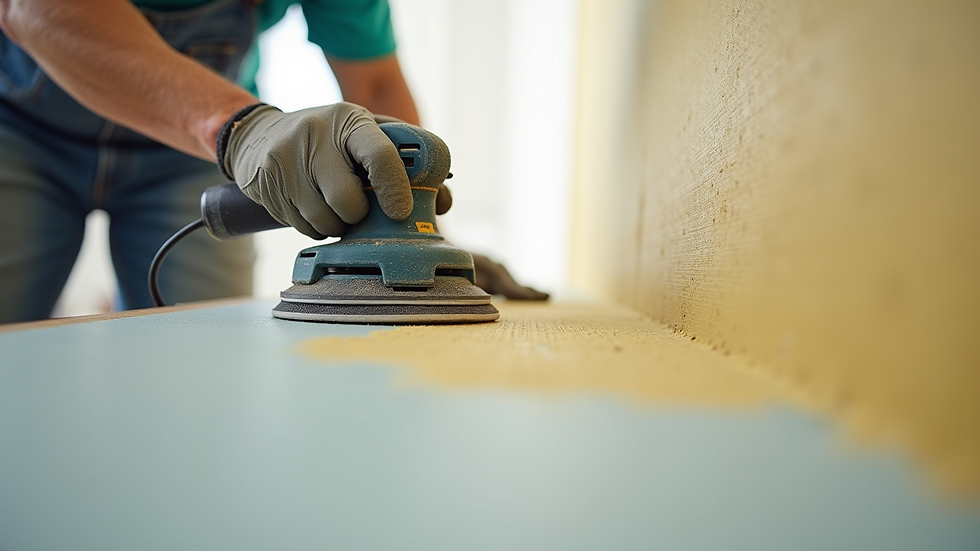
Repair imperfections: Fill holes, cracks, and dents with a suitable filler. Sand smooth once dry to create an even surface.
Remove loose paint: Scrape off any flaking or peeling paint to prevent future problems.
Sand glossy surfaces: Lightly sand shiny or previously painted surfaces to improve paint adhesion.
Prime the surface: Use a primer suited to the surface type and paint colour. Priming seals porous surfaces and enhances paint durability.
Taking the time to prepare properly ensures the paint adheres well and looks flawless. It also helps the finish withstand the unique climate conditions found in Cape Town, such as sun exposure and humidity.

Advanced Painting Techniques for a Flawless Finish
Once the surface is ready, applying paint with the right techniques is key to achieving a smooth, professional look. Here are some advanced painting techniques to consider:
Cutting in: Use a high-quality angled brush to paint clean edges along ceilings, corners, and trim before rolling the larger areas. This prevents messy overlaps.
Rolling in a W pattern: Apply paint in a large W shape with a roller, then fill in the gaps without lifting the roller. This method ensures even coverage and avoids streaks.
Maintain a wet edge: Work quickly enough to blend each new stroke with the previous one while the paint is still wet. This prevents lap marks.
Use multiple thin coats: Instead of one thick coat, apply two or three thin coats. This builds up colour evenly and reduces drips.
Choose the right tools: Select brushes and rollers designed for the paint type and surface texture. For example, use a short-nap roller for smooth walls and a longer nap for textured surfaces.
These techniques help create a durable, attractive finish that enhances any space. They also reduce the need for touch-ups, saving time and money in the long run.

What are common paint mistakes experts avoid?
Even experienced painters can slip up if they don’t pay attention to details. Avoid these common mistakes to ensure a high-quality paint job:
Skipping primer: Not priming can cause uneven colour and poor adhesion, especially on new drywall or patched areas.
Painting in unsuitable weather: High humidity or extreme temperatures affect drying times and paint performance. Aim for mild, dry days.
Using low-quality paint or tools: Cheap paint may require more coats and fade faster. Investing in quality products pays off.
Overloading the brush or roller: Too much paint causes drips and uneven texture. Load tools moderately and remove excess before applying.
Ignoring surface texture: Applying smooth paint on rough surfaces without proper tools leads to patchy results.
Not allowing enough drying time: Rushing between coats can cause peeling or bubbling.
By steering clear of these pitfalls, the paint job will look better and last longer, reflecting well on the property’s upkeep.
Choosing Eco-Friendly Paint Options
Sustainability is increasingly important for homeowners and businesses alike. Cape Town’s environment benefits when painting projects use eco-friendly products. Here’s what to look for:
Low or zero VOC (Volatile Organic Compounds): These paints emit fewer harmful fumes, improving indoor air quality.
Water-based paints: Easier to clean up and less toxic than oil-based alternatives.
Durability and washability: Choose paints that resist stains and wear, reducing the need for frequent repainting.
Certified eco-labels: Look for products certified by recognised environmental standards.
Using eco-friendly paints aligns with responsible property management and supports healthier living and working spaces. It also complements the reputation of painting services committed to sustainable practices.
Tips for Maintaining Painted Surfaces
A great paint job deserves proper care to keep it looking fresh. Here are some maintenance tips:
Regular cleaning: Dust and wash walls gently with a soft cloth and mild detergent to remove dirt and stains.
Touch up promptly: Fix chips and scratches as soon as they appear to prevent further damage.
Avoid harsh chemicals: Use gentle cleaning products to protect the paint finish.
Control moisture: Ensure good ventilation to prevent mould and peeling, especially in bathrooms and kitchens.
Inspect annually: Check for signs of wear or damage and plan repainting before problems worsen.
Following these steps extends the life of the paint and preserves the property’s appearance.
Bringing It All Together for Lasting Beauty
Painting is a powerful way to transform any home or business space. By focusing on thorough preparation, applying advanced painting techniques, avoiding common mistakes, and choosing eco-friendly products, the results will be both beautiful and durable. Regular maintenance keeps the finish looking fresh for years.
For those seeking reliable, high-quality painting services in Cape Town, partnering with professionals who understand these principles ensures lasting satisfaction. With the right approach, every painting project becomes an investment in the property’s value and appeal.
For more detailed guidance, explore these expert painting tips to elevate your next painting project.


Comments