
Improve Your Painting Skills with Expert Advice

Painting is both an art and a craft. Whether refreshing a room or adding character to a business space, good painting skills make all the difference. For those in Cape Town looking to enhance their painting abilities, practical tips and reliable techniques can transform a simple paint job into a lasting, beautiful finish. This guide offers clear, actionable advice to help anyone improve their painting skills with confidence.
How to Improve Painting Skills: Essential Tips
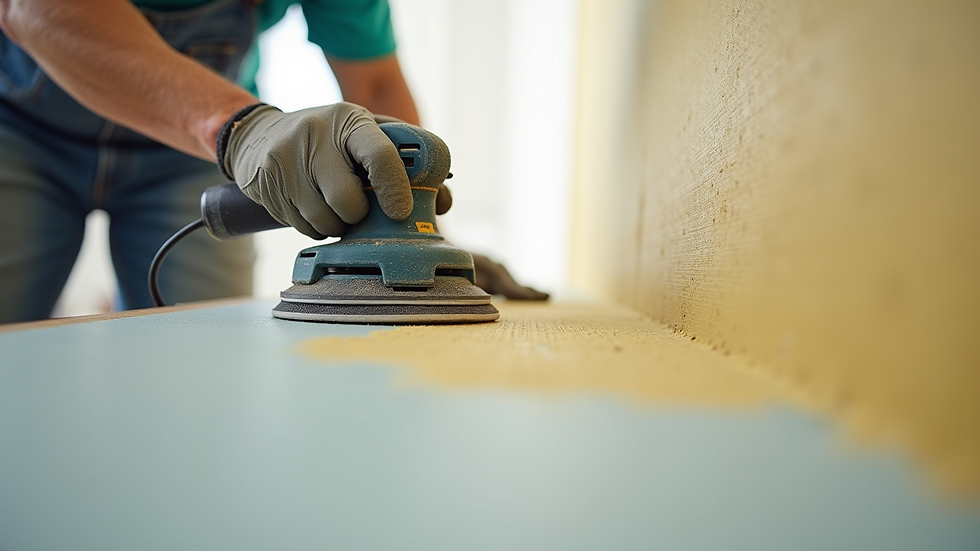
Improving painting skills starts with understanding the basics and building from there. Preparation is key. Before picking up a brush, ensure surfaces are clean, dry, and smooth. Sanding rough patches and filling holes will create a flawless base. This step prevents peeling and uneven texture later on.
Next, choose the right tools. High-quality brushes and rollers suited to the paint type and surface make a big difference. For example, synthetic brushes work well with water-based paints, while natural bristles are better for oil-based paints. Using the correct brush size also helps with precision and coverage.
Practice steady brush strokes. Applying paint in long, even strokes reduces visible marks and streaks. Avoid overloading the brush or roller to prevent drips and runs. It’s better to apply multiple thin coats than one thick one. Allow each coat to dry fully before adding the next.
Finally, pay attention to lighting. Good lighting reveals imperfections and helps maintain consistent coverage. When painting indoors, use bright, natural light or strong artificial lighting to see your work clearly.
Choosing the Right Paint and Tools to Improve Painting Skills
Selecting the right paint and tools is crucial for a professional finish. Paints come in various finishes such as matte, satin, and gloss. Each finish suits different rooms and purposes. For example, satin or semi-gloss paints are ideal for kitchens and bathrooms because they resist moisture and are easy to clean. Matte finishes work well in living rooms and bedrooms for a soft, elegant look.
Consider eco-friendly paint options. These paints have low volatile organic compounds (VOCs), making them safer for indoor air quality and the environment. Cape Town homeowners and business owners increasingly prefer these options for healthier spaces.
When it comes to tools, invest in quality brushes, rollers, and painter’s tape. Brushes with angled bristles help cut in edges neatly. Rollers with the right nap length suit different surfaces - shorter naps for smooth walls and longer naps for textured surfaces. Painter’s tape ensures clean lines and protects trim and fixtures.
Keep your tools clean. Wash brushes and rollers immediately after use to extend their life and maintain performance. Proper care also prevents dried paint from ruining your next project.

Mastering Techniques for a Flawless Finish
Mastering painting techniques elevates the quality of any project. One important technique is “cutting in.” This means painting the edges and corners of walls before rolling the larger areas. Use a steady hand and a small angled brush to create sharp, clean lines along ceilings, baseboards, and around windows.
Another technique is maintaining a wet edge. This prevents lap marks where paint overlaps and dries unevenly. Work in small sections and blend each new stroke into the wet paint already applied.
For textured walls or ceilings, use a roller with a thicker nap to reach into crevices. Apply paint evenly and avoid pressing too hard, which can cause splatters.
When painting trim or woodwork, thin the paint slightly with water or the recommended thinner. This helps the paint flow smoothly and reduces brush marks. Apply two thin coats for durability and a smooth finish.
Common Mistakes to Avoid When Painting
Even experienced painters can make mistakes that affect the final result. Avoid these common pitfalls to improve painting skills:
Skipping surface preparation: Dirt, grease, or old paint can cause new paint to peel or bubble.
Using the wrong paint type: Interior paint on exterior surfaces or vice versa can lead to poor durability.
Painting in unsuitable weather: High humidity or extreme temperatures affect drying time and finish quality.
Ignoring drying times: Rushing to apply a second coat before the first is dry causes uneven texture.
Overloading brushes or rollers: This leads to drips and uneven coverage.
By being mindful of these errors, painters can save time and achieve a professional look.
How to Maintain Your Painted Surfaces for Longevity
Once the painting is done, maintaining the surfaces ensures they look fresh for years. Regular cleaning with mild soap and water removes dust and stains without damaging the paint. Avoid harsh chemicals or abrasive scrubbing.
Inspect painted surfaces periodically for chips or cracks. Touch up small areas promptly to prevent further damage. For exterior walls, check for signs of moisture or mould and address these issues quickly.
Using high-quality, eco-friendly paints from the start helps with durability and reduces the need for frequent repainting. This approach aligns with sustainable practices and keeps spaces healthier.
For those seeking more detailed guidance, consulting expert painting advice can provide tailored tips and solutions.
Taking Your Painting Skills to the Next Level
Improving painting skills is a rewarding journey. With patience, practice, and the right knowledge, anyone can achieve beautiful, lasting results. Start by mastering preparation and tool selection, then focus on technique and avoiding common mistakes. Remember, every project is an opportunity to learn and refine your craft.
For Cape Town homeowners and business owners, investing in quality painting not only enhances aesthetics but also protects properties. Choosing eco-friendly options supports a healthier environment and community.
Keep experimenting with different styles and finishes. Over time, your confidence and skill will grow, making painting a satisfying and valuable skill to have.

By following these practical steps and embracing continuous learning, painting projects will become easier and more enjoyable. The results will speak for themselves - vibrant, clean, and professional spaces that stand the test of time.


Comments