
Master the Art of Painting with Professional Painting Techniques

Painting is more than just applying colour to a surface. It is an art form that transforms spaces, evokes emotions, and reflects personality. Whether refreshing a home or upgrading a commercial property, mastering professional painting techniques can make all the difference. This guide offers practical advice and clear steps to help anyone achieve stunning, lasting results with confidence.
Understanding Professional Painting Techniques
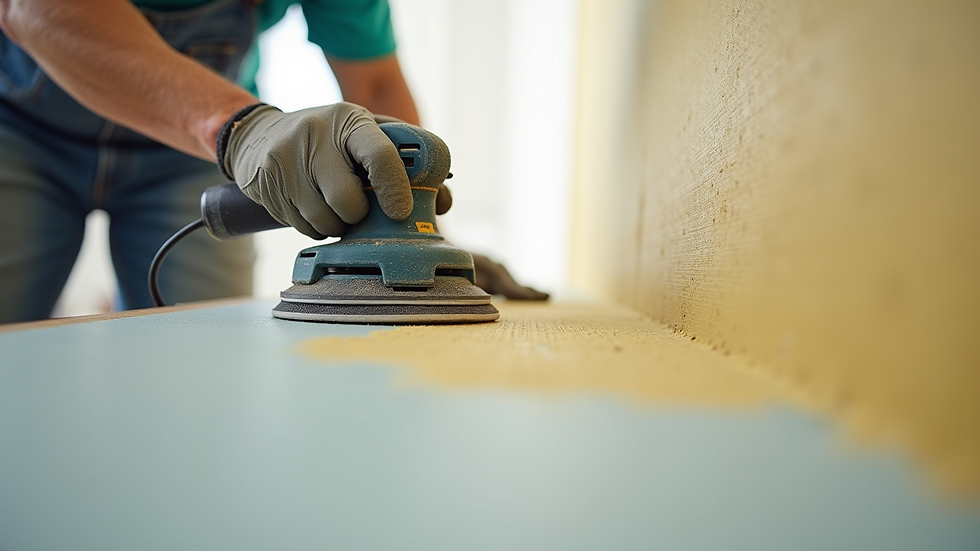
Professional painting techniques involve more than just a steady hand and a brush. They include preparation, the right tools, and methods that ensure smooth, even coverage and durability. For example, surface preparation is crucial. Cleaning walls, filling cracks, and sanding rough spots create a perfect canvas for paint to adhere to.
Using quality brushes and rollers suited to the paint type and surface also matters. A synthetic brush works well with water-based paints, while natural bristles are better for oil-based paints. Rollers come in different nap lengths; a short nap is ideal for smooth surfaces, while a longer nap suits textured walls.
Another key technique is applying primer before painting. Primer seals the surface, blocks stains, and improves paint adhesion. It also helps the true colour of the paint shine through. Skipping primer can lead to uneven colour and peeling over time.
When painting, use long, even strokes and avoid overloading the brush or roller. Work in sections and maintain a wet edge to prevent lap marks. Multiple thin coats are better than one thick coat for a professional finish.
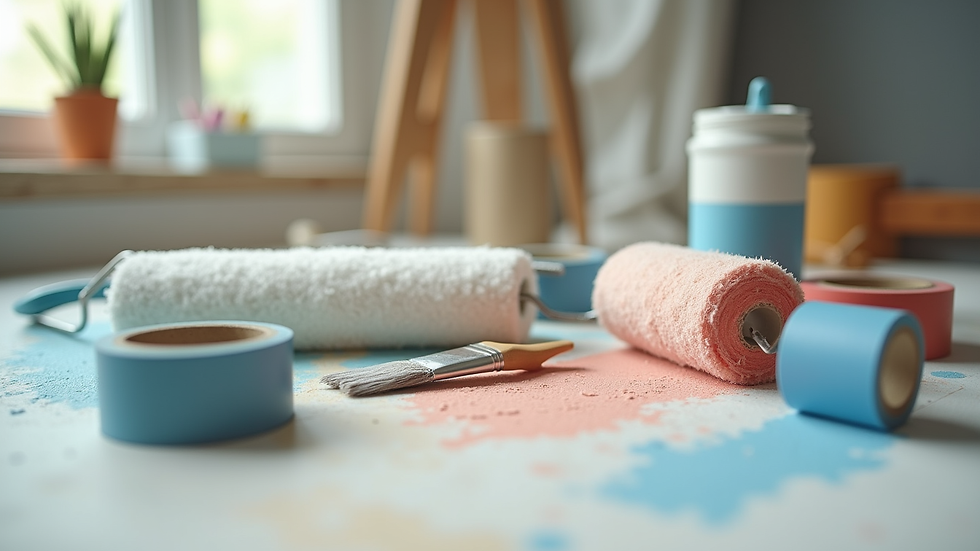
What are the 7 Rules of Painting?
Following certain rules can elevate any painting project from amateur to professional. Here are seven essential rules to keep in mind:
Prepare the Surface Thoroughly
Clean, sand, and repair surfaces before painting. This ensures paint sticks well and lasts longer.
Use the Right Tools
Select brushes, rollers, and sprayers that match the paint type and surface texture.
Apply Primer
Always prime bare surfaces or patched areas to create a uniform base.
Choose Quality Paint
Invest in high-quality paint for better coverage, colour retention, and durability.
Paint in Good Conditions
Avoid painting in extreme temperatures or high humidity to prevent drying issues.
Use Proper Technique
Apply paint evenly with smooth strokes, maintaining a wet edge to avoid marks.
Allow Adequate Drying Time
Let each coat dry fully before applying the next to prevent peeling and uneven texture.
These rules form the foundation of professional painting and help achieve a flawless finish every time.
Essential Tools and Materials for a Flawless Finish
Having the right tools and materials is half the battle won. Here’s a checklist of essentials for any painting project:
Paint Brushes: Different sizes and types for trim, corners, and large surfaces.
Rollers and Trays: Choose nap length based on wall texture.
Painter’s Tape: For clean edges and protecting surfaces.
Drop Cloths: To protect floors and furniture.
Sandpaper: For smoothing surfaces.
Putty Knife and Filler: To repair holes and cracks.
Primer: To prepare surfaces.
Paint: Select eco-friendly options for a safer environment.
Ladder or Step Stool: For reaching high areas safely.
Using these tools correctly can save time and improve the quality of the work. For example, painter’s tape should be applied firmly and removed while the paint is still slightly wet to avoid peeling.

Tips for Choosing the Right Paint Colours and Finishes
Colour choice can dramatically affect the mood and perception of a space. When selecting paint colours, consider the lighting, room size, and purpose. Light colours make small rooms feel larger and brighter, while darker shades add warmth and coziness.
Finishes also play a role in the final look and durability:
Matte: Hides imperfections but is less washable.
Eggshell: Slight sheen, good for living areas.
Satin: Durable and easy to clean, ideal for kitchens and bathrooms.
Semi-gloss: Shiny and moisture-resistant, perfect for trim and doors.
Gloss: Very shiny and durable, best for high-traffic areas.
For commercial spaces, choosing durable, washable finishes is important to maintain a professional appearance over time. Eco-friendly paints with low VOCs (volatile organic compounds) are recommended to reduce environmental impact and improve indoor air quality.
How to Achieve a Professional Look Every Time
Achieving a professional finish requires patience and attention to detail. Here are some actionable recommendations:
Plan Your Work: Start with ceilings, then walls, and finish with trim and doors.
Work in Natural Light: This helps spot missed areas and uneven coverage.
Use the Right Amount of Paint: Too much paint causes drips; too little leads to patchiness.
Feather Edges: Lightly blend edges of painted sections to avoid harsh lines.
Clean Up Immediately: Clean brushes and rollers right after use to prolong their life.
Inspect and Touch Up: After drying, check for missed spots or uneven areas and touch up as needed.
By following these steps, the painted surface will look smooth, even, and professionally done.
For those looking to deepen their skills, exploring expert painting tips can provide valuable insights and advanced techniques.
Bringing It All Together for Lasting Results
Painting is a rewarding project that can transform any space when done right. By mastering professional painting techniques, using the right tools, and following essential rules, the results will be both beautiful and durable. Remember to choose colours and finishes that suit the space and purpose, and always prepare surfaces thoroughly.
Whether refreshing a home or upgrading a commercial property, these practical tips ensure a smooth process and a finish that lasts. With patience and care, anyone can achieve a professional look that enhances the value and appeal of their property.
Painting is not just about colour - it’s about creating an environment that feels fresh, welcoming, and well cared for. Take the time to do it properly, and the results will speak for themselves.


Comments