
Professional Painting Advice for Homeowners
- Glynuel Kapowo Msiska
- Feb 23
- 4 min read

Painting a home or business space is more than just a splash of colour. It’s about creating an environment that feels fresh, welcoming, and well cared for. For those in Cape Town, where the climate and style preferences can vary widely, getting the painting right is essential. This guide offers practical, professional advice to help homeowners and business owners make informed decisions and achieve lasting, beautiful results.
Painting Advice for Homeowners in Cape Town
Choosing the right paint and preparation methods is crucial in Cape Town’s unique environment. The city’s coastal climate means humidity and salt air can affect paint durability. To ensure a long-lasting finish, it’s important to select paints designed to withstand these conditions.
Start by assessing the surface you want to paint. Is it wood, plaster, brick, or metal? Each material requires a different approach. For example, wood surfaces need sanding and priming to prevent peeling, while brick may require a breathable masonry paint to avoid trapping moisture.
When selecting paint, consider eco-friendly options. These paints have low volatile organic compounds (VOCs), which are better for indoor air quality and the environment. Many local suppliers in Cape Town now offer a range of environmentally responsible paints that don’t compromise on quality or durability.
Preparation is key. Clean the surfaces thoroughly to remove dirt, grease, and old flaking paint. Use a pressure washer for exterior walls if necessary, but be careful not to damage the surface. Repair any cracks or holes with appropriate fillers and sand smooth before painting.
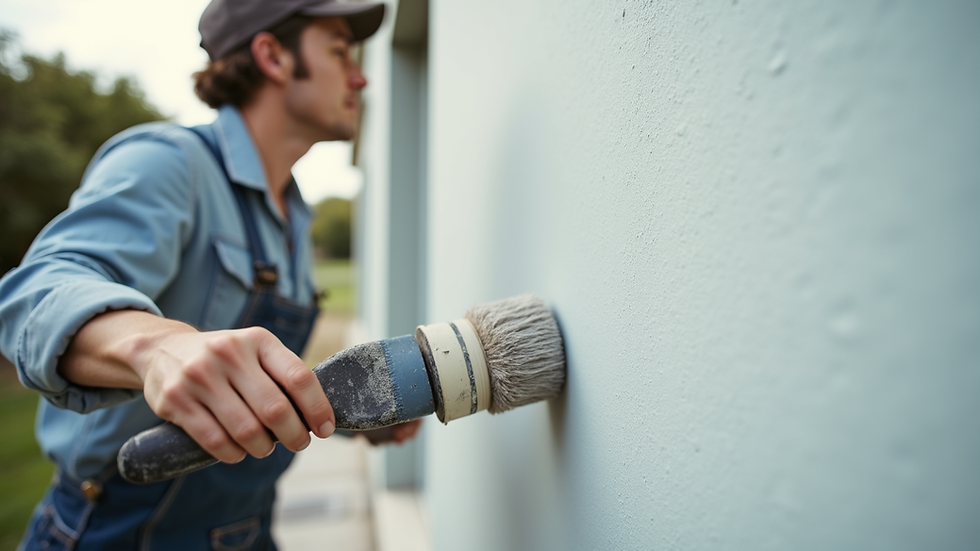
Choosing the Right Paint and Tools
Selecting the right paint type and tools can make a big difference in the final outcome. For exterior walls, use acrylic latex paint because it offers excellent adhesion and flexibility, which helps it resist cracking in Cape Town’s fluctuating temperatures. For interiors, consider washable and scrubbable paints, especially in high-traffic areas like kitchens and hallways.
The finish of the paint also matters. Matte finishes hide imperfections but can be harder to clean. Satin or eggshell finishes offer a subtle sheen and are easier to maintain. Glossy finishes are durable and great for trim or doors but can highlight surface flaws.
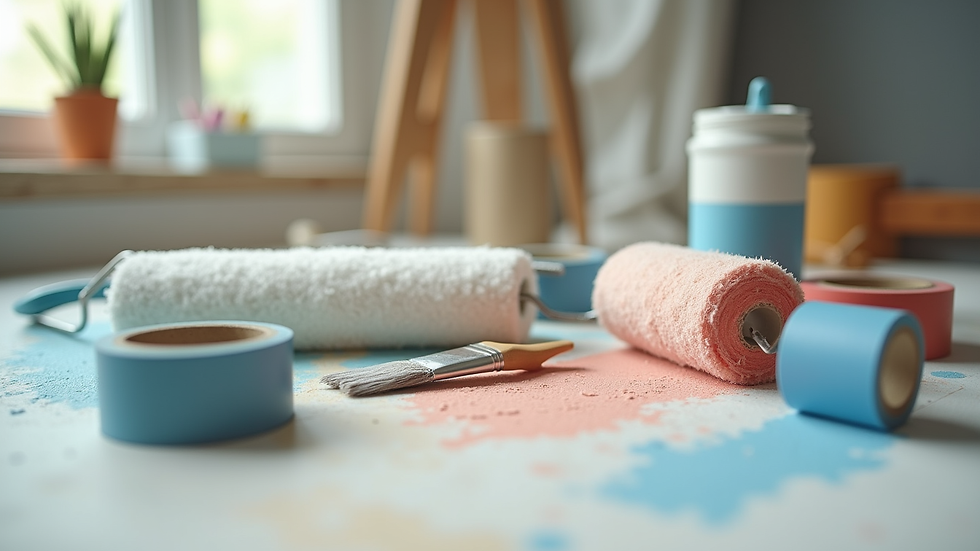
Invest in quality brushes and rollers. Cheap tools can leave streaks and shed bristles, ruining the smoothness of your paint job. Use synthetic brushes for water-based paints and natural bristles for oil-based paints. Rollers with the right nap length will help cover surfaces evenly—short naps for smooth walls, longer naps for textured surfaces.
Don’t forget painter’s tape to protect edges and create clean lines. Remove the tape while the paint is still slightly wet to avoid peeling.

Preparing Your Home or Business for Painting
Before the first drop of paint, preparation extends beyond the walls. Move furniture away from walls and cover it with drop cloths to protect from splatters. Remove or cover light fixtures, switch plates, and outlet covers.
If painting exterior surfaces, check the weather forecast. Avoid painting on rainy or extremely windy days. Ideal conditions are dry, mild temperatures with low humidity.
Ventilation is important indoors. Open windows and use fans to circulate air and help paint dry faster. This also reduces exposure to fumes, even with low-VOC paints.
For commercial spaces, plan the painting schedule to minimise disruption. Early mornings, evenings, or weekends might be best to avoid interfering with business hours.
Tips for a Flawless Paint Application
Applying paint evenly and smoothly takes patience and technique. Start with a primer if the surface is new, stained, or has been repaired. Primer helps paint adhere better and evens out the surface.
Use a “W” or “M” motion when rolling paint on walls. This technique spreads paint evenly and prevents streaks. Work in small sections and maintain a wet edge to avoid lap marks.
For cutting in around edges and corners, use a high-quality angled brush. Take your time to create clean lines before filling in the larger areas with a roller.
Apply two coats of paint for the best coverage and durability. Allow the first coat to dry completely before applying the second. This ensures a richer colour and longer-lasting finish.
Clean brushes and rollers immediately after use to keep them in good condition for future projects.
Why Hiring Professionals Can Be Worth It
While DIY painting can be rewarding, hiring professionals often saves time and ensures a higher quality finish. Experienced painters understand the nuances of surface preparation, paint selection, and application techniques. They also have access to professional-grade tools and materials.
For those seeking expert painting advice, professional painters can provide tailored recommendations based on the specific needs of your property and local conditions. They can also offer eco-friendly options that align with your values and budget.
Professional services often include warranties or guarantees, giving peace of mind that the job will be done right the first time. This is especially important for commercial properties where appearance impacts customer perception.
Maintaining Your Painted Surfaces
Once the painting is complete, proper maintenance will extend the life of your investment. Regularly clean painted surfaces with mild soap and water to remove dirt and grime. Avoid harsh chemicals that can damage the paint.
Inspect exterior paint annually for signs of wear, such as cracking or peeling. Address small issues promptly to prevent more extensive damage.
For interiors, touch up scuffs and chips as needed. Keep humidity levels in check to prevent mould growth, especially in bathrooms and kitchens.
By following these maintenance tips, your painted surfaces will stay vibrant and protected for years to come.
Painting is a powerful way to refresh and protect your property. With the right preparation, materials, and techniques, Cape Town homeowners and business owners can enjoy beautiful, lasting results. Whether tackling the project yourself or hiring professionals, these practical tips will help you achieve a finish you can be proud of.


Comments