
Painting Tips for Professionals: Effective Tips to Master Painting
- Glynuel Kapowo Msiska
- Feb 16
- 4 min read

Painting is both an art and a skill that can transform any space, whether residential or commercial. For those looking to achieve flawless results, mastering painting techniques is essential. This guide offers practical, easy-to-follow advice tailored for Cape Town homeowners and business owners who want to ensure their spaces look impeccable and last longer. With a calm and straightforward approach, these tips will help anyone elevate their painting projects with confidence.
Painting Tips for Professionals: Preparing for Success
Preparation is the foundation of any successful painting project. Without it, even the best paint and brushes won’t deliver the desired outcome. Start by thoroughly cleaning the surfaces to remove dust, grease, and old peeling paint. This step ensures better paint adhesion and a smoother finish.
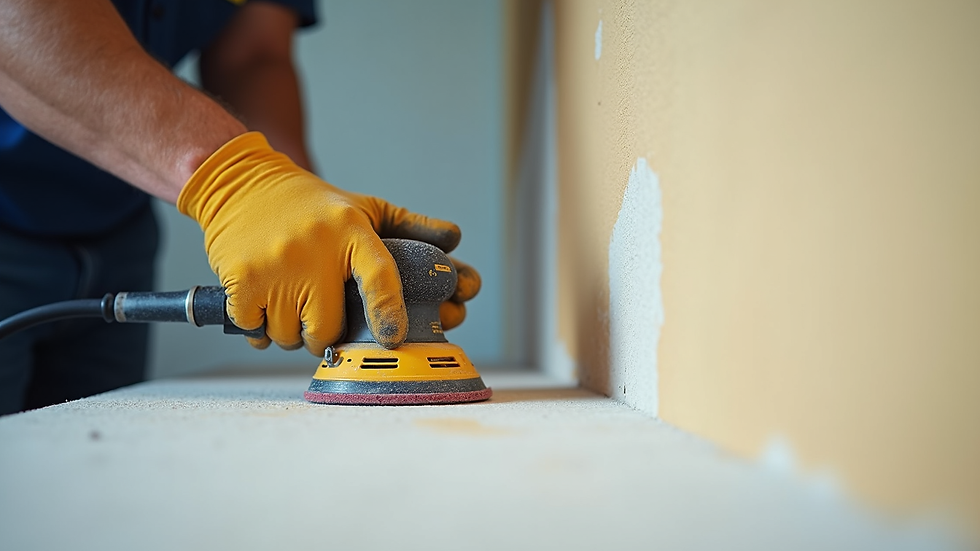
Next, repair any cracks, holes, or imperfections using filler or putty. Sand the repaired areas once dry to create an even surface. For larger commercial spaces, consider using a primer to seal porous surfaces and improve paint durability.
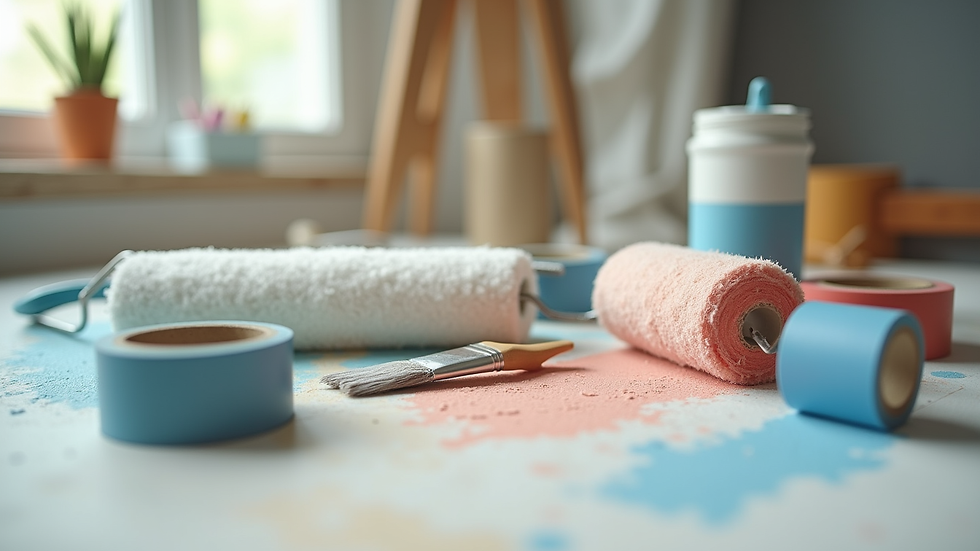
Pro tip: Use painter’s tape to protect edges, trims, and fixtures. This simple step saves time on cleanup and guarantees sharp, clean lines.
Choosing the Right Materials and Tools
Selecting the right paint and tools can make a significant difference in the quality and longevity of your work. For exterior walls in Cape Town’s climate, opt for weather-resistant, eco-friendly paints that can withstand sun, wind, and occasional rain. For interiors, choose paints with low VOC (volatile organic compounds) to maintain healthy indoor air quality.
Brushes and rollers come in various sizes and materials. Use synthetic brushes for water-based paints and natural bristles for oil-based paints. Rollers with a medium nap are versatile for most wall textures, while thicker naps work better on rough surfaces.
Actionable advice:
Invest in high-quality brushes and rollers to avoid shedding and uneven application.
Use a paint tray with a liner for easy cleanup.
Keep a damp cloth handy to wipe off any drips immediately.

Mastering Painting Techniques
Applying paint evenly and smoothly requires practice and attention to detail. Start by loading your brush or roller with the right amount of paint - not too much to cause drips, and not too little to require multiple coats.
Use long, even strokes in one direction to avoid streaks. When using a roller, apply paint in a “W” or “M” pattern, then fill in the gaps with horizontal strokes. This technique ensures full coverage without overworking the paint.
For edges and corners, use a smaller brush and steady hand. Take your time to avoid messy lines. If you make a mistake, don’t panic - wait for the paint to dry and touch up carefully.
Remember: Multiple thin coats are better than one thick coat. Allow each layer to dry completely before applying the next.
Tips for Efficient and Safe Painting
Efficiency and safety go hand in hand during any painting project. Plan your work to paint from top to bottom, starting with ceilings, then walls, and finally trims and doors. This order prevents drips from ruining freshly painted areas.
Ensure good ventilation when painting indoors to reduce fumes. Wear protective gear such as gloves, masks, and goggles, especially when working with solvent-based paints or in poorly ventilated spaces.
For exterior projects, check the weather forecast and avoid painting on rainy or extremely windy days. Early mornings or late afternoons are ideal times to paint outdoors in Cape Town to avoid harsh sunlight that can cause paint to dry too quickly.
Helpful hint: Keep your workspace organized and clean as you go. This habit reduces accidents and speeds up the process.
Maintaining Painted Surfaces for Longevity
Once the painting is done, maintaining the surfaces will keep them looking fresh and vibrant for years. Regularly clean walls with a soft cloth or sponge and mild detergent to remove dust and stains.
Inspect painted surfaces annually for signs of wear, such as peeling or cracking. Address these issues promptly by sanding and repainting affected areas. For commercial properties, consider scheduling professional inspections and touch-ups to maintain a polished appearance.
Using high-quality, eco-friendly paints from the start reduces the need for frequent repainting and supports a healthier environment.
For those seeking to deepen their skills, exploring expert painting tips can provide valuable insights and advanced techniques.
Embracing Painting as a Skill and Art
Mastering painting is a rewarding journey that combines technique, patience, and creativity. Whether refreshing a home or enhancing a business space, the right approach ensures beautiful, lasting results. By following these effective tips, anyone can gain confidence and skill in painting projects.
Remember, quality preparation, choosing the right materials, applying paint carefully, and maintaining surfaces are the keys to success. With consistent practice and attention to detail, painting becomes more than a task - it becomes a craft that adds value and charm to any property.
Painting is not just about colour; it’s about creating an environment that feels welcoming and well cared for. Take your time, enjoy the process, and watch your spaces transform beautifully.
This guide aims to support those in Cape Town looking for reliable, high-quality painting advice. For professional services that combine expertise with eco-friendly options, consider trusted local providers who understand the unique needs of the region.


Comments