
Top Tips for Professional Painting Solutions

Painting a home or business space can transform its look and feel dramatically. Achieving professional painting results requires more than just picking a colour and rolling paint on the walls. It involves preparation, technique, and the right tools. This guide shares practical advice to help anyone aiming for a flawless finish that lasts. Whether refreshing a single room or tackling a large commercial project, these tips will ensure the job is done right the first time.
Preparing for Professional Painting Solutions
Preparation is the foundation of any successful painting project. Skipping this step can lead to uneven coverage, peeling, or premature wear. Start by clearing the area of furniture and covering floors with drop cloths. Remove or tape around fixtures, switches, and outlets to protect them from paint splatters.
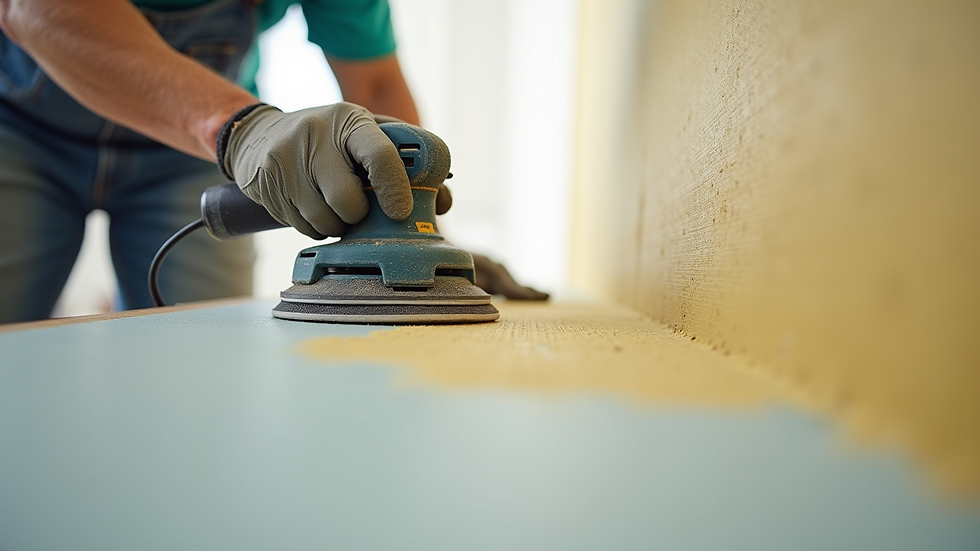
Next, inspect the walls for cracks, holes, or peeling paint. Use a filler or spackle to repair imperfections, then sand the surface smooth once dry. This step ensures the paint adheres evenly and looks smooth. Clean the walls thoroughly to remove dust, grease, or mould. A mild detergent solution or a TSP (trisodium phosphate) cleaner works well for this.
Priming is often overlooked but essential, especially on new drywall, patched areas, or surfaces with stains. A good primer seals the surface and improves paint adhesion, resulting in a more durable finish. Choose a primer suited to the surface and paint type.

Proper wall preparation is key to professional painting results.
Choosing the Right Tools and Paint for Professional Painting Solutions
Selecting the right tools and paint can make a significant difference in the outcome. High-quality brushes and rollers provide better coverage and reduce streaks. For large flat surfaces, use a roller with the appropriate nap length for the texture of the wall. Smooth walls require a shorter nap, while rough or textured surfaces need a longer nap to reach into crevices.
Brushes should be chosen based on the type of paint. Synthetic bristles work best with water-based paints, while natural bristles are better for oil-based paints. Invest in angled brushes for cutting in around edges and corners.
When it comes to paint, opt for reputable brands that offer good coverage and durability. Consider eco-friendly options that emit fewer volatile organic compounds (VOCs), which is better for indoor air quality and the environment. For exterior projects, select paints designed to withstand weather conditions common in Cape Town, such as sun exposure and moisture.
Using the right paint finish is also important. Matte finishes hide imperfections but are less washable, while satin or semi-gloss finishes are more durable and easier to clean, making them ideal for high-traffic areas.

Using the right tools ensures a smooth and even paint application.
What are the 7 rules of painting?
Understanding the fundamental rules of painting helps achieve a professional finish. Here are seven essential guidelines:
Always prepare the surface properly - Clean, repair, and prime as needed.
Use quality materials - Invest in good paint, brushes, and rollers.
Apply paint in thin, even coats - Thick coats can drip and take longer to dry.
Maintain a wet edge - Work quickly to avoid lap marks where paint overlaps.
Use the right technique for cutting in - Steady, smooth strokes create clean edges.
Allow adequate drying time between coats - Follow manufacturer recommendations.
Work in suitable conditions - Avoid painting in extreme temperatures or high humidity.
Following these rules helps prevent common issues like streaks, bubbles, and uneven coverage.
Techniques for a Flawless Finish
Achieving a smooth, professional finish requires attention to technique. When rolling paint, use a "W" or "M" pattern to distribute paint evenly before filling in the gaps with vertical strokes. This method prevents roller marks and ensures consistent coverage.
Cutting in around edges and corners with a brush should be done carefully. Use painter’s tape to mask off areas if needed, but avoid leaving tape on for too long to prevent peeling paint. Remove tape while the paint is still slightly wet for the cleanest lines.
For trim and mouldings, use a smaller brush and steady hand. Paint in the direction of the wood grain to enhance the finish. Multiple thin coats are better than one thick coat, as they dry faster and reduce drips.
Ventilation is important during painting to help the paint dry and reduce fumes. Open windows and use fans if possible.
Maintaining Painted Surfaces for Longevity
Once the painting is complete, proper maintenance will keep surfaces looking fresh for years. Regular cleaning with a soft cloth and mild detergent removes dirt and grime without damaging the paint. Avoid abrasive cleaners or scrubbing too hard.
Inspect painted surfaces periodically for signs of wear or damage. Address small chips or cracks promptly by sanding and touching up with matching paint. For exterior surfaces, check for peeling or blistering paint caused by moisture or sun damage.
Choosing durable, weather-resistant paints during the project reduces maintenance needs. Eco-friendly paints with mould and mildew resistance are especially beneficial in humid or coastal areas.
By following these maintenance tips, painted surfaces will retain their beauty and protect the underlying material effectively.
Bringing It All Together with Expert Painting Tips
Professional painting solutions are within reach when combining preparation, the right materials, and proper technique. For those seeking additional guidance, consulting expert painting tips can provide valuable insights tailored to specific projects and conditions.
Taking the time to plan and execute each step carefully results in a finish that looks great and lasts. Whether refreshing a home or upgrading a commercial space, these tips help ensure the investment in painting pays off with stunning, durable results.
Painting is both an art and a skill. With patience and attention to detail, anyone can achieve professional-quality results that enhance their property’s value and appeal.


Comments