
Proven Painting Techniques and Advice for Exceptional Painting Outcomes

Painting a home or business space is more than just applying colour to walls. It’s about transforming a space, protecting surfaces, and adding value. Achieving exceptional painting outcomes requires a blend of preparation, technique, and the right materials. This guide offers practical, proven advice to help anyone aiming for a flawless finish, whether tackling a small room or a large commercial project.
Essential Painting Techniques and Advice for Lasting Results
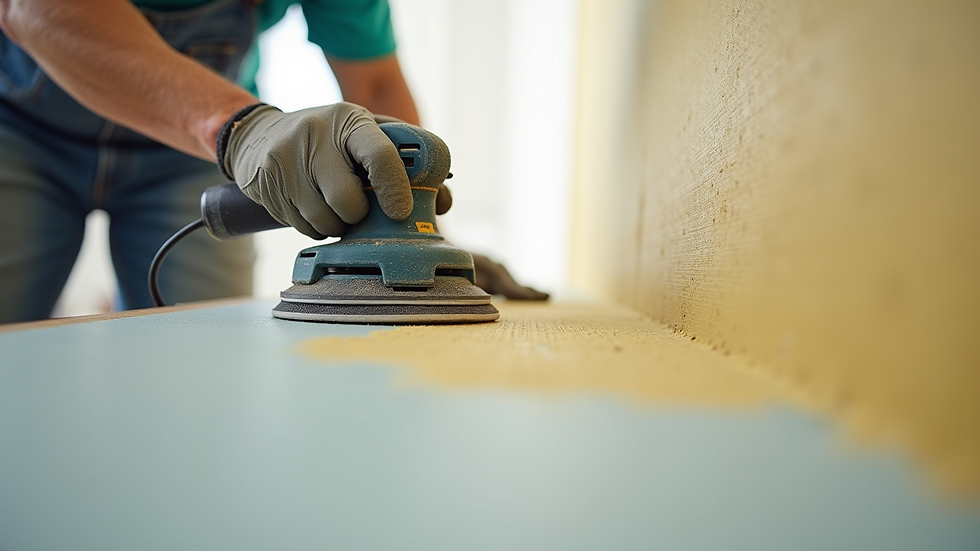
Before picking up a brush or roller, preparation is key. Surfaces must be clean, dry, and smooth to ensure paint adheres properly and lasts longer. Start by inspecting walls for cracks, holes, or peeling paint. Use filler or putty to repair imperfections, then sand the area smooth once dry. This step prevents uneven textures and unsightly bumps.
Choosing the right paint is equally important. For interior walls, opt for washable, durable paints with low VOCs to maintain indoor air quality. For exteriors, select weather-resistant paints that can withstand Cape Town’s coastal climate, including sun, wind, and occasional rain. Primer is a must for new surfaces or drastic colour changes, as it improves adhesion and coverage.
When painting, use high-quality brushes and rollers suited to the paint type and surface texture. For example, a smooth roller works well on flat walls, while a thicker nap roller is better for textured surfaces. Apply paint in thin, even coats, allowing each layer to dry fully before adding the next. This approach prevents drips and ensures a smooth finish.

What are the 7 Rules of Painting?
Understanding the fundamental rules of painting can elevate the quality of any project. Here are seven essential rules to follow:
Prepare the Surface Thoroughly - Clean, sand, and repair surfaces before painting.
Use Quality Materials - Invest in good paint, brushes, rollers, and primers.
Apply Primer When Needed - Primer ensures better paint adhesion and colour vibrancy.
Paint in Thin Layers - Multiple thin coats dry better and look smoother than one thick coat.
Maintain a Wet Edge - Work quickly to avoid lap marks by keeping a wet edge while painting.
Use Proper Technique - Brush with steady, even strokes; roll in a W or M pattern for coverage.
Allow Adequate Drying Time - Follow manufacturer drying times between coats for durability.
Following these rules helps avoid common pitfalls like peeling, cracking, or uneven colour.
Choosing Eco-Friendly Paint Options for Cape Town Properties
Sustainability is becoming a priority for many property owners. Eco-friendly paints offer a healthier alternative without compromising quality. These paints have low or zero volatile organic compounds (VOCs), reducing harmful emissions indoors and outdoors.
Look for paints certified by environmental standards or labelled as low-VOC. These options are especially beneficial in homes and offices where air quality matters. Additionally, some eco-friendly paints include natural ingredients and are free from harsh chemicals.
Using eco-friendly paints aligns with Cape Town’s growing environmental awareness and supports healthier living and working spaces. It also complements the reputation of painting services that prioritise green solutions.

Tips for Painting Commercial Spaces with Professional Results
Commercial painting projects often involve larger areas and require efficient, high-quality work. Planning is crucial to minimise disruption and ensure safety.
Schedule Work Strategically: Plan painting during off-hours or weekends to avoid interrupting business operations.
Use Durable Paints: Commercial spaces experience more wear and tear, so choose paints designed for high traffic and easy cleaning.
Protect Fixtures and Floors: Use drop cloths and masking tape to safeguard surfaces and equipment.
Hire Experienced Painters: Skilled professionals understand the nuances of commercial painting, including surface preparation and finishing techniques.
By following these tips, commercial properties can maintain a polished, professional appearance that lasts.
How to Maintain Painted Surfaces for Longevity
Painting is an investment, and proper maintenance extends its life. Regular cleaning with mild soap and water removes dirt and grime without damaging the paint. Avoid abrasive cleaners or scrubbing too hard.
Inspect painted surfaces periodically for signs of wear, such as peeling or fading. Address minor issues promptly by touching up paint or repairing damage. For exterior walls, check for moisture problems or cracks that could affect the paint’s integrity.
Maintaining painted surfaces not only preserves their appearance but also protects the underlying material from damage.
Bringing It All Together for Exceptional Painting Outcomes
Achieving outstanding painting results is a combination of preparation, technique, and ongoing care. Whether refreshing a single room or painting an entire commercial building, following proven advice makes all the difference.
For those seeking expert painting advice, consulting with experienced professionals ensures the right products and methods are used. This approach guarantees a finish that looks great and stands the test of time.
By investing time in preparation, choosing quality materials, and applying paint carefully, property owners in Cape Town can enjoy beautiful, durable painted surfaces that enhance their spaces for years to come.


Comments