
Master Essential Expert Painting Tips for Every Job: Painting Tips for Beginners

Painting a home or business space can transform its look and feel, adding value and personality. Whether refreshing a single room or tackling a full exterior, mastering the basics is key to achieving professional results. This guide shares essential painting tips for beginners and seasoned DIYers alike, helping every project run smoothly and look great.
Painting Tips for Beginners: Getting Started Right
Starting a painting project can feel overwhelming, but breaking it down into clear steps makes it manageable. Preparation is the foundation of a successful paint job. Here are some practical tips to begin with:
Choose the right paint: Select paint suitable for the surface and environment. For example, use moisture-resistant paint in bathrooms and kitchens, and durable exterior paint for outdoor walls.
Gather quality tools: Invest in good brushes, rollers, painter’s tape, drop cloths, and a sturdy ladder. Quality tools make application easier and improve the finish.
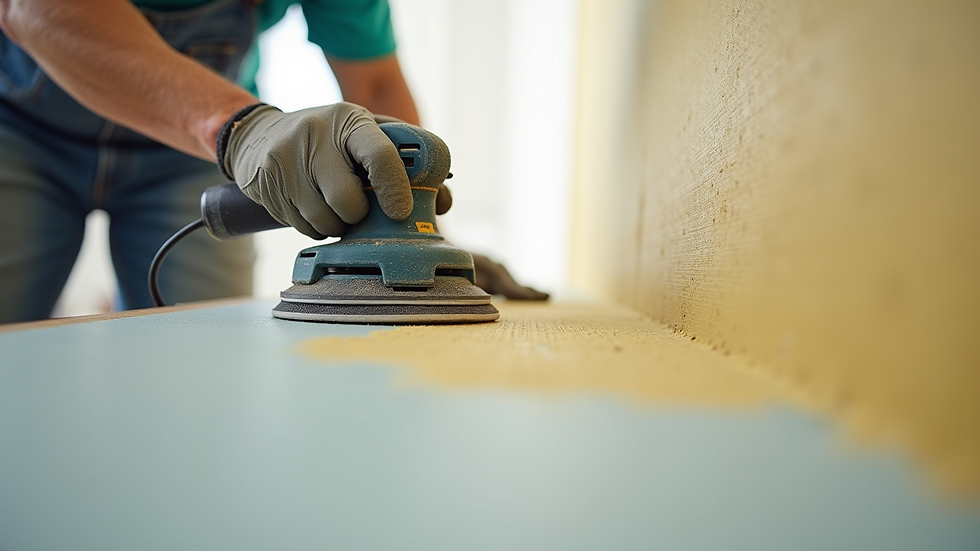
Prepare the surface: Clean walls thoroughly to remove dust, grease, and mildew. Sand rough spots and fill holes or cracks with filler. A smooth surface ensures paint adheres well.
Protect your space: Use drop cloths to cover floors and furniture. Apply painter’s tape along edges for clean lines.
Prime if needed: Primer helps paint stick better and evens out surface colour, especially on new drywall or patched areas.
Taking time to prepare properly saves effort later and leads to a more durable, attractive finish.

Essential Techniques for a Flawless Finish
Once the prep work is done, applying paint correctly is the next step. Here are some expert painting tips to ensure smooth, even coverage:
Use the right brush or roller: Brushes are best for edges and corners, while rollers cover large flat areas quickly. Choose a roller nap length based on the surface texture.
Load paint properly: Dip your brush or roller into the paint and remove excess to avoid drips. For rollers, roll on the tray’s ridges to spread paint evenly.
Apply paint in thin coats: Multiple thin coats dry better and look smoother than one thick coat. Allow each coat to dry fully before applying the next.
Maintain a wet edge: Work in small sections and overlap slightly with the previous stroke to avoid lap marks.
Use long, even strokes: For walls, roll paint in a “W” or “M” pattern, then fill in. For brushes, use long strokes in one direction.
Patience and attention to detail during application make a big difference in the final appearance.
What are common paint mistakes experts avoid?
Even experienced painters can slip up if they rush or overlook basics. Avoid these common pitfalls to keep your project on track:
Skipping surface preparation: Painting over dirt, grease, or peeling paint leads to poor adhesion and peeling later.
Ignoring primer: Primer is essential for new drywall, patched areas, or drastic colour changes. Skipping it can cause uneven colour and texture.
Using the wrong paint type: Interior paint on exterior surfaces or vice versa will not hold up well.
Painting in unsuitable conditions: High humidity, extreme temperatures, or direct sunlight can affect drying and finish quality.
Overloading brushes or rollers: Too much paint causes drips, runs, and uneven coverage.
Not allowing enough drying time: Rushing between coats traps moisture and causes peeling or bubbling.
Neglecting edges and corners: These areas need careful cutting in with a brush for a neat finish.
By steering clear of these errors, the paint job will last longer and look more professional.

Choosing Eco-Friendly Paint Options
Sustainability is increasingly important in home and business improvements. Eco-friendly paints offer benefits beyond just environmental impact:
Low or zero VOCs: Volatile organic compounds (VOCs) can cause indoor air pollution and health issues. Low-VOC paints improve air quality.
Durability: Many eco paints are formulated to last longer, reducing the need for frequent repainting.
Safe for sensitive individuals: Ideal for homes with children, pets, or allergy sufferers.
Wide colour selection: Modern eco paints come in a broad range of colours and finishes.
When selecting paint, look for certifications like Green Seal or EcoLabel. These indicate the product meets strict environmental and health standards.
Tips for Exterior Painting Success
Painting the outside of a building requires special attention to weather, surface type, and durability. Here are key tips for a lasting exterior paint job:
Check the weather forecast: Choose a dry period with mild temperatures. Avoid painting in direct sun or when rain is expected.
Clean thoroughly: Use a pressure washer or scrub brush to remove dirt, mildew, and loose paint.
Repair damage: Fill cracks, replace rotten wood, and sand rough spots.
Prime bare wood and metal: Primer protects surfaces and improves paint adhesion.
Use high-quality exterior paint: Look for paints designed to resist fading, cracking, and mildew.
Apply multiple coats: Two or more coats provide better protection and colour depth.
Maintain your paint job: Regular cleaning and touch-ups extend the life of your exterior paint.
Following these steps helps protect your property from Cape Town’s coastal climate and keeps it looking fresh for years.
Final Thoughts on Painting Like a Pro
Painting is a rewarding project that can dramatically improve any space. By following these expert painting tips, beginners can avoid common mistakes and achieve professional-quality results. Preparation, patience, and the right materials are the keys to success.
For those looking to ensure a flawless finish without the hassle, professional painters offer expertise, efficiency, and eco-friendly options tailored to local conditions. Whether tackling a small room or a large commercial property, the right approach makes all the difference.
Explore more expert painting tips to elevate your next painting project and enjoy a beautiful, lasting transformation.


Comments