
Essential Painting Advice for South African Homes

Painting a home is more than just adding colour to walls. It’s about protecting surfaces, enhancing aesthetics, and increasing property value. For homes in South Africa, especially in Cape Town, painting requires special attention due to the unique climate and environmental factors. This guide offers essential painting advice for homes, helping homeowners and business owners make informed decisions that lead to beautiful, long-lasting results.
Painting Advice for Homes in Cape Town
Cape Town’s climate is characterised by strong sunlight, occasional heavy rains, and coastal humidity. These conditions can affect paint durability and appearance. When choosing paint, it’s important to select products that can withstand UV rays and moisture. Look for paints labelled as UV-resistant and waterproof to ensure longevity.
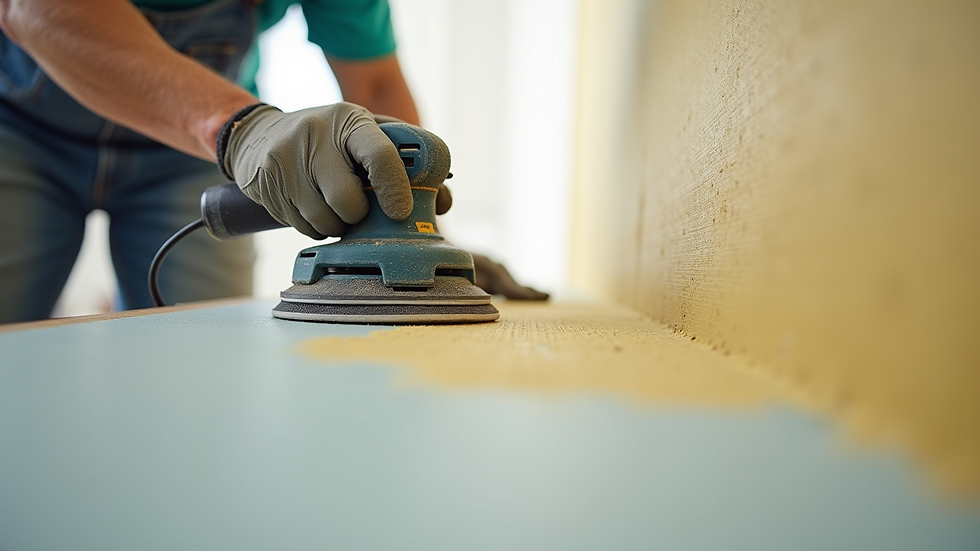
Preparation is key. Surfaces should be clean, dry, and free from peeling paint or mould. For exterior walls, pressure washing can remove dirt and mildew effectively. Inside the home, sanding rough patches and filling cracks will create a smooth base for paint application.
Using eco-friendly paints is a smart choice. These paints emit fewer volatile organic compounds (VOCs), improving indoor air quality and reducing environmental impact. Many South African brands now offer environmentally safe options without compromising on quality or durability.

Choosing the Right Paint and Tools
Selecting the right paint type and tools can make a significant difference in the final outcome. For walls, water-based acrylic paints are popular because they dry quickly, have low odour, and are easy to clean. For woodwork and metal, oil-based paints provide a tougher finish but require longer drying times and proper ventilation.
When it comes to tools, invest in quality brushes and rollers. A good brush will hold paint evenly and reduce streaks. Rollers are ideal for covering large areas quickly. For textured surfaces, use thicker nap rollers to reach into crevices.
Don’t forget primer. Priming surfaces before painting improves adhesion and helps the paint last longer. It also prevents stains and previous colours from showing through. For exterior surfaces, use a primer designed for outdoor use to protect against weather damage.
What are the 7 Rules of Painting?
Understanding the fundamental rules of painting can help achieve professional results. Here are seven essential rules to follow:
Prepare the Surface Thoroughly - Clean, sand, and repair any damage before painting.
Use Primer - Always prime surfaces to ensure better paint adhesion.
Choose Quality Paint - Invest in good-quality paint suited to the surface and environment.
Apply Paint Evenly - Use smooth, consistent strokes to avoid drips and uneven coverage.
Allow Proper Drying Time - Follow manufacturer instructions for drying between coats.
Paint in Suitable Weather - Avoid painting in extreme heat, cold, or high humidity.
Protect Surroundings - Use drop cloths and tape to keep areas clean and neat.
Following these rules will help maintain the beauty and durability of painted surfaces, especially in the challenging South African climate.
Tips for Painting Exterior Walls in Coastal Areas
Coastal homes face additional challenges due to salt spray, strong winds, and moisture. To protect exterior walls:
Choose Salt-Resistant Paints: Some paints are formulated to resist salt corrosion and prevent peeling.
Apply Multiple Coats: Two or three coats provide better protection and coverage.
Maintain Regularly: Inspect painted surfaces annually and touch up any chips or cracks promptly.
Seal Gaps and Cracks: Use high-quality sealants to prevent moisture ingress.
Use Protective Finishes: Clear topcoats can add an extra layer of defence against weathering.
These steps will help keep coastal homes looking fresh and protected for years.

Interior Painting: Creating Comfortable and Stylish Spaces
Inside the home, paint colour and finish affect mood and functionality. Light colours can make rooms feel larger and brighter, while darker shades add warmth and coziness. Matte finishes hide imperfections but are harder to clean, whereas satin or semi-gloss finishes are more durable and easier to wipe down.
Before painting, remove furniture or cover it with plastic sheets. Use painter’s tape to protect edges and trim. Ventilate rooms well during and after painting to reduce fumes.
For high-traffic areas like kitchens and hallways, choose washable paints that resist stains. In bedrooms and living rooms, consider calming colours that promote relaxation.
Final Thoughts on Painting South African Homes
Painting is a valuable investment that enhances both the look and protection of a home. By following these practical tips and using the right materials, homeowners can enjoy beautiful, long-lasting finishes that stand up to South Africa’s unique climate.
For those seeking professional help, expert painting advice can guide the selection of paints and techniques tailored to local conditions. Reliable, eco-friendly painting services ensure quality results that protect your property and the environment.
Taking the time to plan and prepare properly will make all the difference. Whether refreshing a single room or repainting an entire home, these essential painting tips will help achieve stunning, durable results that Cape Town homes deserve.


Comments