
Essential Painting Advice Essentials for Every Project

Painting a home or business space is more than just picking a colour and rolling paint on walls. It requires careful planning, preparation, and execution to achieve a finish that lasts and looks professional. Whether refreshing a single room or tackling a full exterior, following painting advice essentials can save time, money, and frustration. This guide shares practical tips and expert insights to help any painting project in Cape Town reach its full potential.
Understanding Painting Advice Essentials: Preparation is Key
Before opening a can of paint, preparation is the foundation of success. Proper surface preparation ensures paint adheres well and the finish remains durable. Start by cleaning walls thoroughly to remove dust, grease, and mildew. Use a mild detergent solution and rinse with clean water. For exterior surfaces, power washing can be effective but must be done carefully to avoid damage.
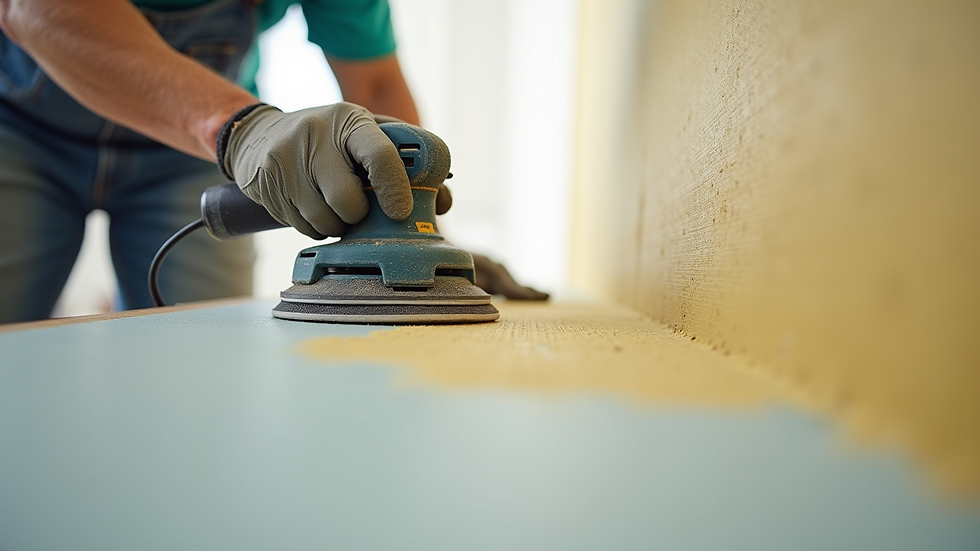
Next, inspect surfaces for cracks, holes, or peeling paint. Fill holes and cracks with a suitable filler and sand smooth once dry. Remove any loose or flaking paint by scraping and sanding. For wood surfaces, sanding also helps smooth rough patches and opens the grain for better paint absorption.
Priming is another essential step. A good primer seals porous surfaces, blocks stains, and improves paint adhesion. Choose a primer compatible with the paint type and surface material. For example, use a stain-blocking primer on water-damaged walls or a wood primer on bare timber.
Taking time with preparation might feel tedious but it pays off with a flawless finish that lasts years.

Choosing the Right Paint and Tools for Painting Advice Essentials
Selecting the right paint and tools is crucial for achieving the desired look and durability. Paints come in various finishes such as matte, satin, semi-gloss, and gloss. Each finish suits different rooms and surfaces. For example, satin or semi-gloss finishes are ideal for kitchens and bathrooms due to their moisture resistance and ease of cleaning. Matte finishes work well in living rooms and bedrooms for a soft, elegant look.
Consider the type of paint: water-based (latex) paints dry quickly, have low odour, and clean up easily with water. Oil-based paints offer a tougher finish but take longer to dry and require solvents for cleanup. For exterior projects, choose paints formulated to withstand Cape Town’s climate, including UV exposure and occasional heavy rains.
Invest in quality brushes and rollers. Synthetic bristle brushes work well with water-based paints, while natural bristles suit oil-based paints. Use rollers with the appropriate nap length for the surface texture—short nap for smooth walls, longer nap for rough or textured surfaces.
Having the right tools and paint type makes the job easier and the results more professional.
Mastering Application Techniques for a Smooth Finish
Applying paint evenly and smoothly is an art that improves with practice. Start by cutting in around edges, corners, and trim with a high-quality angled brush. This creates clean lines and prevents roller marks near edges.
When using a roller, load it evenly with paint and roll off excess on a tray. Apply paint in a “W” or “M” pattern to distribute it evenly, then fill in the gaps with parallel strokes. Avoid pressing too hard, which can cause streaks or splatters.
Work in manageable sections and maintain a wet edge to prevent lap marks. This means overlapping slightly onto the previous section before it dries. For ceilings and large walls, use an extension pole on the roller to reach high areas comfortably.
Allow adequate drying time between coats as recommended by the paint manufacturer. Usually, two coats are necessary for full coverage and colour depth.

Tips for Eco-Friendly and Sustainable Painting Projects
Sustainability is increasingly important in home and business improvements. Choosing eco-friendly painting options benefits both the environment and indoor air quality. Low-VOC (volatile organic compounds) or zero-VOC paints emit fewer harmful chemicals, making them safer for occupants and painters.
Proper disposal of leftover paint and materials is also essential. Avoid pouring paint down drains or into soil. Instead, donate usable paint to community projects or recycle through local hazardous waste programs.
Using brushes and rollers that can be cleaned and reused reduces waste. Consider natural fibre brushes and rollers made from sustainable materials.
Planning your project to minimise paint waste by measuring surfaces accurately and buying only what is needed also helps reduce environmental impact.
Maintaining Painted Surfaces for Long-Lasting Beauty
Once the painting project is complete, maintaining the surfaces ensures the investment lasts. Regular cleaning with a soft cloth and mild detergent removes dust and grime without damaging the paint.
Inspect painted surfaces periodically for signs of wear, cracking, or peeling. Address minor issues promptly by touching up with matching paint. For exterior surfaces, check for water damage or mould growth and treat accordingly.
Avoid using harsh chemicals or abrasive tools on painted walls, as these can degrade the finish. In high-traffic areas, consider applying a protective clear coat for extra durability.
By caring for painted surfaces, homeowners and business owners in Cape Town can enjoy vibrant, fresh spaces for years to come.
Painting Projects Made Easier with Expert Guidance
Painting can be a rewarding DIY project or a task best left to professionals. For those seeking reliable, high-quality results with eco-friendly options, consulting expert painting advice can make all the difference. Experienced painters understand local conditions, surface preparation, and product selection to deliver lasting finishes.
Whether refreshing a single room or updating a commercial building, following these painting advice essentials ensures a smooth process and beautiful outcome. With the right preparation, materials, and techniques, every painting project in Cape Town can be a success.
By embracing these practical tips and expert insights, painting projects become manageable and enjoyable. The right approach leads to stunning, durable results that enhance any space.


Comments